Champaign County farm field at dusk
Coverage Explainers · Champaign County

Guides Written for Champaign County

Not insurance Wikipedia. These are real answers to real questions we hear in the office — written in plain language for the farmers, families, and business owners we work with every day.

Six Guides for Local Coverage Questions

Each one comes straight out of conversations we have at 38 Monument Square. Read what fits your situation, then call us with the rest.

Farm field in Champaign County Ohio after a hailstorm
Farm · Champaign County

What Champaign County Farm Owners Should Know About Hail Coverage

Three things your dec page probably says — and two things it probably doesn’t — about hail on equipment and grain.

Read the guide →

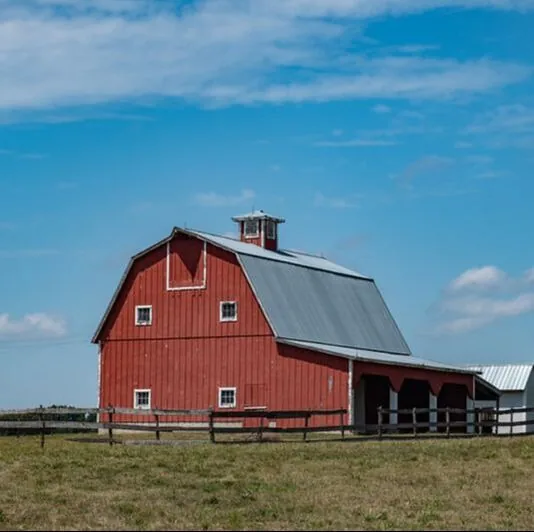
Hail hits this county most summers, so it is worth knowing what your policy actually does. Your farm dec page usually covers buildings, machinery, and stored grain against hail under named-peril or open-peril property coverage — check which one you have, because open-peril is broader. Two gaps catch people: standing crops in the field are not covered by a farm property policy (that is crop insurance, a separate USDA-backed product), and equipment left out in the open may carry a lower limit than equipment stored in a barn. Read your deductible, too. A flat $1,000 deductible feels small until a storm dents a combine, a grain bin, and a roof in one afternoon and you owe it on each claim. If you are not sure how your machinery is scheduled, bring your dec page in. We will walk through it line by line.

RV and motorhome insurance in Ohio
Recreational · Ohio

RV Insurance in Ohio — What Your Dec Page Actually Means

Full-timer vs. seasonal coverage, towing liability, and the three things that catch RV owners off-guard at claim time.

Read the guide →

An RV is part vehicle, part home, and Ohio insurers treat it that way. The first question is how you use it. If you live in it part of the year, you want full-timer coverage, which adds personal liability while parked and contents protection closer to a homeowners policy. Seasonal coverage costs less but assumes you have a primary home elsewhere. Three things surprise people at claim time. First, towing a travel trailer behind your truck pulls liability from your auto policy, not the trailer policy — so your auto limits matter. Second, personal belongings inside often carry a separate, lower limit than the rig itself. Third, total-loss replacement only applies if you bought that endorsement; without it, you get depreciated value. Tell us how and where you travel and we will match the coverage to it.

A residential home exterior in Urbana, Ohio
Personal Lines · Urbana

Buying Your First Home in Urbana? Here’s How to Shop Homeowners Insurance

What lenders require, what they don’t tell you to ask about, and why bundling saves money.

Read the guide →

Your lender will require homeowners insurance before closing, and they care about one number: enough dwelling coverage to rebuild the house. What they will not tell you to ask about is the rest of the policy. Look at your replacement cost versus actual cash value — replacement cost rebuilds at today’s prices, and it is worth the small premium difference. Check your liability limit; for most Urbana homeowners, $300,000 is a sensible floor. Watch the wind and hail deductible, which is sometimes a percentage of the home’s value rather than a flat dollar amount. And ask about water backup, because a sump pump failure is not covered by a standard policy. The easiest money you will save is bundling home and auto with one carrier. Bring your purchase agreement and we will shop several carriers before you sign.

Family at home in Champaign County Ohio
Personal Lines · Champaign County

Do You Need an Umbrella Policy? The Honest Answer

If you own a home, have a teenage driver, or have any assets worth protecting — the answer is almost always yes. Here’s why.

Read the guide →

An umbrella policy sits on top of your auto and home liability and kicks in when a claim runs past those limits. Here is the honest answer most people do not hear: it is cheap, and the situations it covers are exactly the ones that wipe out a family. A serious at-fault car wreck, a dog bite, an injury at a pool party — any of these can produce a judgment larger than your underlying limits. If a court awards more than your policy pays, the difference comes out of your savings, your home equity, and future wages. For roughly the cost of a tank of gas a month, a $1 million umbrella closes that gap. If you own a home, have a teenage driver, or have assets worth protecting, you are the person this is built for. Ask us to price one alongside your renewal.

Commercial work trucks on an Ohio highway
Commercial · Champaign County

When Your Work Truck Isn’t Covered by Your Personal Auto Policy

The line between personal and commercial use isn’t where most business owners think it is. This gap gets people in trouble at claim time.

Read the guide →

Plenty of business owners drive a truck they bought personally and assume their personal auto policy has them covered. It often does not. Personal auto policies exclude or limit business use, and the line is not where most people think. Hauling tools to a job, carrying inventory, lettering the truck with your company name, or having an employee drive it can all push a vehicle into commercial territory. If you have a wreck while working and the insurer decides it was business use, the claim can be denied — and you are paying for the other vehicle and any injuries yourself. The fix is a commercial auto policy, which is built for exactly this and usually covers higher liability limits that a business needs anyway. If you use a vehicle to make money in any way, tell us how. We will make sure it is on the right policy before something happens.

Ohio crop field at harvest time
Farm · Crop Insurance

Ohio Crop Insurance Deadlines — What You Need to Know Before It’s Too Late

USDA-backed crop insurance has hard enrollment deadlines by county and crop type. Missing them means going bare for the season.

Read the guide →

Crop insurance is federally backed and runs on a calendar that does not bend. Each crop and county has a sales closing date — the last day you can buy or change coverage for the year. For corn and soybeans in our area, that date falls in mid-March, and once it passes, you are locked in for the season. Miss it on a new crop and you go bare: no coverage if hail, drought, or a wet spring takes the stand. There are other dates that matter, too — acreage reporting in summer and the production reporting deadline that sets your future yield history. The paperwork is real, but it is the kind of thing we handle every spring for farm clients across Champaign and Clark counties. Do not wait until planting to think about it. Call early, and we will build the coverage and hit the deadlines for you.

Have a coverage question we didn’t answer?

Call us at (937) 653-1360 or send us a message. We’re happy to answer insurance questions even if you’re not a client yet.

Not sure what coverage you need?

Get a free 15-minute consult with someone who actually knows Champaign County — no scripts, no pressure.